
How to Make a Small Gift Feel Expensive
Giving a gift doesn’t have to be expensive to feel valuable. In fact, learning how to
make a small gift feel expensive is one of the most useful skills in modern gift-giving.
With the right approach, even the simplest item can look premium, thoughtful, and impressive.
Many people assume that price equals quality, but perception plays a much bigger role.
From presentation to personalization, small details can completely transform how a gift is experienced.
This guide will show you exactly how to make a small gift feel expensive using practical and creative techniques.
Why Perception Matters More Than Price
When someone receives a gift, they don’t immediately think about how much it cost.
Instead, they notice how it looks, how it feels, and what it represents.
This is why presentation and thoughtfulness can outweigh price.
A well-packaged, personalized item often feels more luxurious than a poorly presented expensive one.
Understanding this principle is the foundation of learning how to make a small gift feel expensive.
1. Upgrade the Packaging
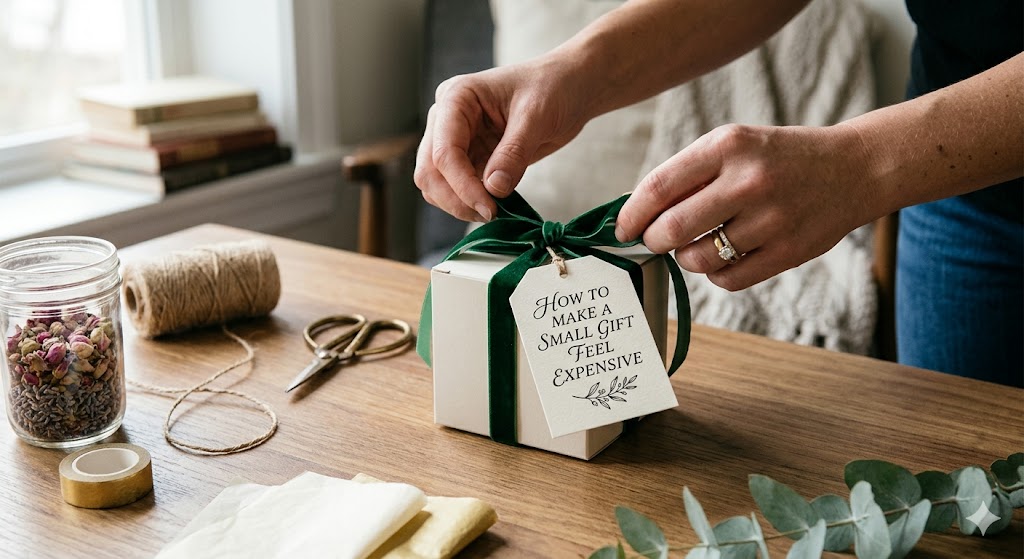
Packaging is one of the most powerful ways to elevate a gift.
A simple item can instantly look premium with high-quality wrapping.
- Use sturdy gift boxes instead of thin wrapping paper
- Choose neutral or elegant colors (black, white, beige, gold)
- Add ribbons, dried flowers, or minimal decorations
- Avoid overly bright or cluttered designs
Minimalist packaging often looks more expensive than complex designs.
2. Focus on Presentation Details
Small details can make a big difference. Clean folds, balanced colors,
and neat arrangement create a polished look.
Even the way you place the gift inside the box matters.
Use tissue paper or fillers to create a soft, premium feel.
3. Add Personalization
Personalization transforms a basic gift into something meaningful.
It shows effort and attention, which increases perceived value.
- Include a handwritten note
- Add initials or names
- Reference a shared memory
- Choose something related to their interests
A personalized gift always feels more expensive than a generic one.
4. Choose Quality Over Quantity
Instead of giving multiple cheap items, focus on one high-quality product.
Even within a small budget, you can find items that feel well-made and durable.
Quality materials, clean design, and good functionality all contribute to a premium feel.
5. Use the “Bundle Strategy”
Combining a few small items into a curated set can significantly increase perceived value.
This is known as the bundle strategy.
Examples include:
- A self-care kit (candle + tea + note)
- A study pack (notebook + pen + snacks)
- A relaxation bundle (mini candle + playlist)
Bundling makes the gift feel more complete and intentional.
6. Tell a Story Behind the Gift
Storytelling is a powerful but often overlooked technique.
When you explain why you chose a gift, it becomes more meaningful.
For example:
- “This reminds me of our first trip together.”
- “I picked this because I know you love relaxing evenings.”
A simple story can turn a small gift into a memorable experience.
7. Pay Attention to Scent and Texture
Luxury is often associated with sensory experiences.
Adding elements like scent and texture can elevate your gift.
- Use scented paper or include a small fragrance
- Choose soft fabrics or smooth materials
- Include items that feel pleasant to touch
These details create a richer and more premium experience.
8. Keep It Minimal and Elegant
Less is often more when it comes to making a gift feel expensive.
Cluttered designs can make even high-quality items look cheap.
Stick to:
- Simple color palettes
- Clean layouts
- Minimal decorations
Minimalism is strongly associated with luxury.
9. Choose Practical and Useful Items
A useful gift naturally feels more valuable because it becomes part of daily life.
Practical items often leave a lasting impression.
Examples include:
- Notebooks
- Phone accessories
- Reusable items
Functionality adds value beyond price.
10. Timing and Delivery Matter
How and when you give a gift can influence how it is perceived.
A well-timed gift can feel more meaningful.
Present it in a calm and thoughtful way rather than rushing.
This enhances the overall experience.
Common Mistakes to Avoid
- Using low-quality packaging
- Choosing generic items
- Overcomplicating the design
- Ignoring personalization
Avoiding these mistakes will help ensure your gift feels premium.
Advanced Styling Techniques to Elevate Small Gifts
Once you understand the basics of how to make a small gift feel expensive, you can take it further with advanced styling techniques.
These methods focus on creating a cohesive and premium experience from start to finish.
Start by choosing a theme for your gift. For example, you might go with a “minimal luxury” theme using neutral tones,
or a “cozy comfort” theme using warm textures and soft materials.
A consistent theme makes the gift feel intentional and well-designed.
Layering is another powerful technique. Instead of placing the gift directly in a box,
add layers such as tissue paper, fabric, or decorative inserts.
This creates depth and enhances the unboxing experience.
The Role of Color Psychology
Color has a significant impact on perception. Certain colors are strongly associated with luxury and quality.
Understanding color psychology can help you make a small gift feel expensive instantly.
- Black: Elegant, premium, and timeless
- White: Clean, minimal, and sophisticated
- Gold: Luxury, richness, and celebration
- Beige: Warm, calm, and modern
Avoid overly bright or clashing colors, as they can make a gift feel less refined.
Instead, stick to a limited palette to maintain a polished look.
Creating a Luxury Unboxing Experience
The unboxing experience is a key part of how a gift is perceived.
Luxury brands invest heavily in packaging because the first impression matters.
You can apply the same concept even with a small budget.
To create a premium unboxing experience:
- Use a sturdy box instead of flimsy packaging
- Add soft fillers like tissue paper or fabric
- Place the gift neatly in the center
- Include a note on top for a personal touch
These details make the act of opening the gift feel special and memorable.
Using Contrast to Enhance Visual Appeal
Contrast is a design principle that can make your gift stand out.
For example, placing a light-colored item in a dark box creates a striking visual effect.
You can also use contrast in textures, such as combining smooth paper with rough fabric.
This adds depth and makes the gift feel more dynamic and premium.
Affordable Materials That Look Expensive
You don’t need costly materials to create a high-end look.
Many affordable options can achieve the same effect.
- Kraft paper for a minimalist aesthetic
- Twine or simple ribbons for decoration
- Reusable fabric wraps
- Matte-finish boxes
Choosing the right materials is essential when learning how to make a small gift feel expensive.
Incorporating Handmade Elements
Handmade touches can significantly increase the perceived value of a gift.
They show effort, creativity, and authenticity.
- Handwritten notes
- DIY tags or labels
- Custom wrapping designs
Even small handmade details can make a big difference.
Matching the Gift to the Occasion
Context matters. A gift that fits the occasion feels more thoughtful and appropriate.
For example:
- Use elegant packaging for formal events
- Choose playful designs for birthdays
- Use warm tones for holidays
Aligning your gift with the occasion enhances its overall impact.
Emotional Value vs. Monetary Value
One of the most important lessons in gift-giving is that emotional value often outweighs monetary value.
A small gift can feel priceless if it carries meaning.
This is why personalization, storytelling, and effort are so powerful.
They transform a simple object into something memorable.
Building a Signature Gift Style
If you give gifts frequently, consider developing your own signature style.
This could be a specific type of packaging, a consistent color palette, or a unique way of presenting gifts.
Having a recognizable style makes your gifts stand out and feel more intentional.
Final Expert Insights
Mastering how to make a small gift feel expensive is not about spending more—it’s about thinking smarter.
Every detail, from color to texture to presentation, contributes to the final impression.
By combining design principles, personalization, and creativity,
you can consistently create gifts that feel premium, even on a limited budget.
In the end, the most valuable gifts are those that show care, attention, and understanding.
Final Thoughts
Learning how to make a small gift feel expensive is all about perception, creativity, and effort.
You don’t need a large budget to create a meaningful and memorable experience.
By focusing on presentation, personalization, and quality,
you can transform even the simplest gift into something truly special.
FAQs
Can a cheap gift look expensive?
Yes, with the right presentation, personalization, and quality selection.
What is the most important factor?
Presentation and thoughtfulness are the most important.
Is personalization necessary?
It’s not required, but it significantly increases perceived value.
